Is 20mm Magnetic Track the Future of Modern Lighting Systems?
The lighting industry is undergoing a steady transformation driven by flexibility, modular design, and energy-efficient solutions. Among emerging innovations, 20mm Magnetic Track systems are gaining attention for their adaptability and clean architectural integration. This trend reflects a broader shift toward minimalist interiors where lighting is no longer just functional but also a core element of spatial design. The Magnetic Track structure has become a representative solution in commercial and residential projects seeking balance between aesthetics and performance.
As interior design continues to evolve, the demand for flexible lighting frameworks has increased significantly. The 20mm Magnetic Track concept supports this evolution by enabling modular adjustment, seamless installation, and diversified lighting combinations without compromising visual harmony. Designers and engineers increasingly prefer systems that can adapt to dynamic spatial layouts, and this product category has naturally become a strong candidate for modern illumination planning.
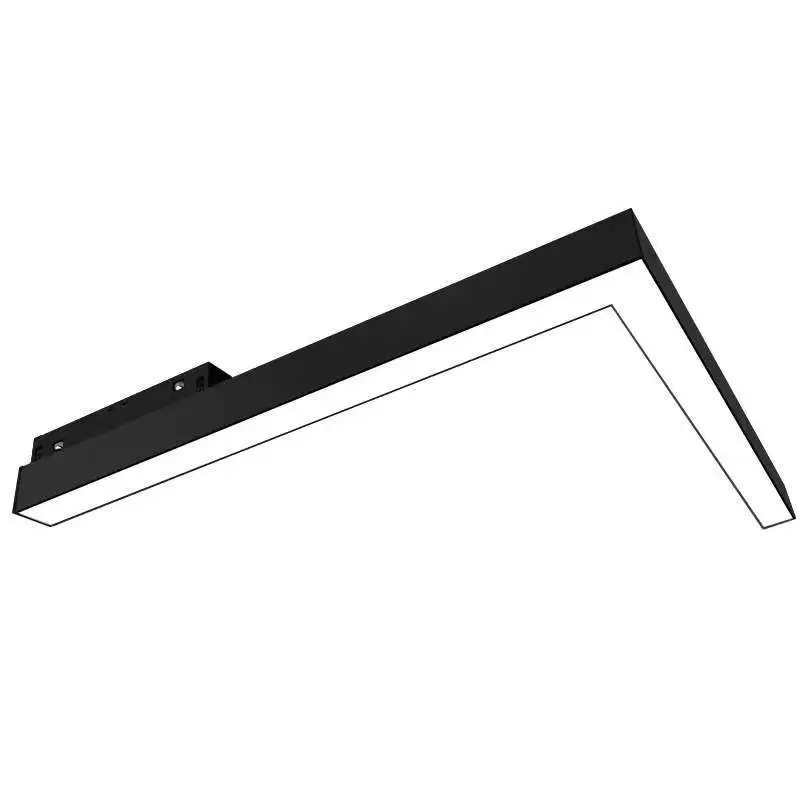
Industry Development Trends in Modern Lighting
The lighting sector is shifting from traditional fixed installations toward adaptive systems that support user-centered environments. This change is influenced by architectural innovation, smart home integration, and sustainable design principles. In this context, track-based lighting solutions are no longer limited to commercial galleries or exhibition halls but are expanding into residential and hospitality environments.
Shift Toward Modular Illumination
Modular illumination systems allow users to adjust lighting direction, intensity, and arrangement without structural modifications. This flexibility supports evolving interior layouts and reduces the need for repeated installations. The increasing interest in modular lighting is closely connected with contemporary architecture, where open spaces and multifunctional rooms are becoming standard design practices.
Integration with Smart Control Systems
Modern lighting solutions are increasingly integrated with intelligent control technologies. These systems enable remote adjustment, scene setting, and energy optimization. Compatibility with smart ecosystems enhances usability and improves lighting precision across different environments. This integration also supports personalized lighting experiences tailored to user preferences.
Architectural Aesthetic Alignment
Lighting is now considered an essential architectural element rather than a secondary installation. Designers focus on concealed structures, minimal visual interruption, and seamless ceiling integration. Track lighting systems are especially valued for their ability to maintain clean lines while providing functional illumination.
Technical Advantages of Magnetic Track Systems
Magnetic track-based lighting solutions offer a combination of structural simplicity and functional versatility. Their design enables quick repositioning of lighting modules, allowing users to modify spatial lighting layouts without complex tools or procedures.
Flexible Configuration Capabilities
One of the most notable advantages of magnetic track systems is their ability to support flexible configuration. Lighting modules can be repositioned effortlessly, allowing continuous adaptation to different spatial requirements. This feature is particularly valuable in environments that require frequent layout adjustments.
Stable Electrical Connectivity
Magnetic connection mechanisms ensure stable electrical performance while maintaining ease of installation. This balance between stability and flexibility contributes to consistent lighting output and long-term operational reliability.
Minimalist Structural Design
The structural design emphasizes simplicity and integration. By reducing visible hardware elements, magnetic track systems maintain a clean visual profile that aligns with modern interior aesthetics. This approach enhances spatial coherence and supports contemporary design language.
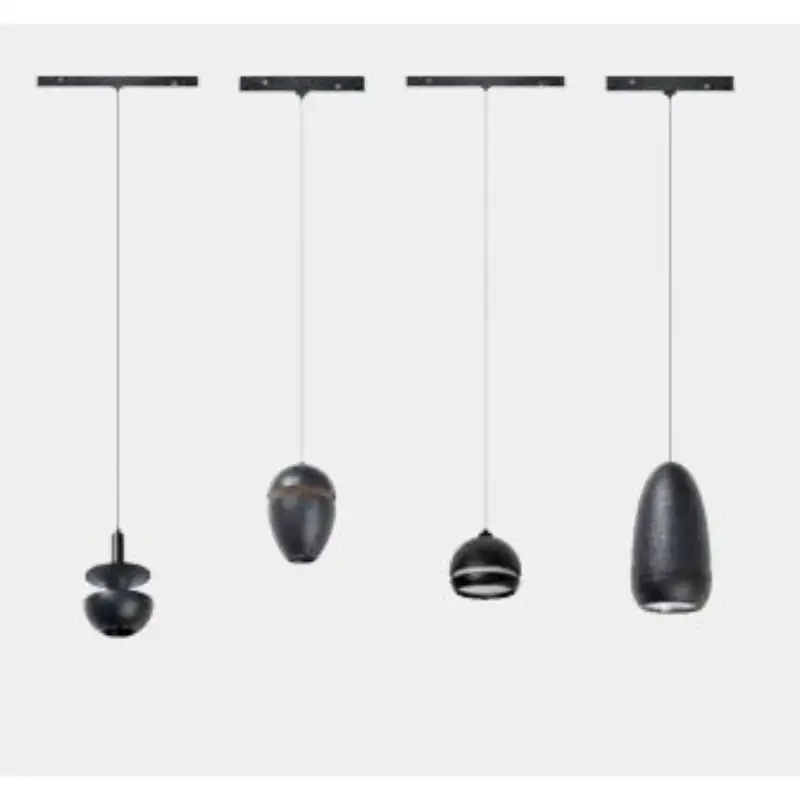
Application Scenarios in Contemporary Spaces
Magnetic track lighting systems are widely used across different environments due to their adaptability and aesthetic consistency. Their ability to blend into various design contexts makes them suitable for both residential and commercial applications.
Residential Interior Spaces
In residential environments, lighting plays a critical role in creating atmosphere and defining functional zones. Flexible track systems allow homeowners to adjust lighting according to daily activities, enhancing comfort and usability.
Commercial Display Environments
Commercial spaces require dynamic lighting to highlight products and create engaging visual experiences. Modular lighting systems provide directional control and adjustable positioning, supporting diverse presentation needs.
Hospitality and Public Areas
Hotels, restaurants, and public spaces benefit from adaptable lighting that can shift between ambient and focused illumination. Track systems contribute to creating welcoming environments while maintaining design consistency.
Comparative Overview of Lighting System Characteristics
| Design Orientation | Installation Approach | Flexibility Level | Aesthetic Integration |
|---|---|---|---|
| Minimal and contemporary | Streamlined and adaptive | High adaptability for varied layouts | Seamless architectural blending |
| Traditional structured design | Fixed and predefined setup | Limited adjustment capability | Visible structural components |
| Hybrid modular systems | Balanced installation approach | Moderate flexibility with guided adjustment | Partial architectural integration |
Energy Efficiency and Sustainability Focus
Modern lighting development places strong emphasis on energy efficiency and environmental sustainability. LED-based systems have become a standard due to their reduced energy consumption and extended operational lifespan. Magnetic track lighting aligns with these principles by supporting efficient light distribution and minimizing wasteful illumination.
Optimized Light Distribution
Directional control ensures that light is delivered precisely where needed, reducing unnecessary energy usage. This targeted approach improves both visual comfort and operational efficiency.
Long-Term Environmental Considerations
Sustainable lighting design prioritizes reduced material waste, efficient energy use, and adaptable system longevity. Modular systems contribute to these goals by allowing partial upgrades rather than full replacements.
Design Flexibility in Future Lighting Concepts
As architectural spaces continue to evolve, lighting systems must adapt to increasingly dynamic requirements. The growing popularity of 20mm Magnetic Track systems highlights the importance of flexibility, modularity, and aesthetic coherence in modern lighting design. The Magnetic Track approach supports future-ready environments where lighting can evolve alongside spatial needs.
Evolution of Spatial Lighting Design
Lighting design is transitioning toward systems that prioritize user interaction and spatial adaptability. This evolution reflects broader trends in architecture that emphasize open layouts and multifunctional environments.
Technology-Driven Innovation
Continuous advancements in lighting control, material engineering, and system integration are shaping the future of illumination. These innovations contribute to more efficient, responsive, and visually appealing lighting environments.
Market Outlook and Industry Direction
The global lighting market continues to expand toward intelligent, modular, and design-oriented solutions. Demand for adaptable systems is expected to grow as users prioritize flexibility and aesthetic refinement. In this evolving landscape, magnetic track systems represent a significant segment of innovation.
Design Standardization Trends
Standardization in lighting components allows for broader compatibility and easier system integration. This development supports the expansion of modular lighting ecosystems across different application scenarios.
Future-Oriented Lighting Strategies
Lighting strategies are increasingly focused on adaptability, sustainability, and user experience. These priorities are shaping product development and influencing design methodologies across the industry.
Company Commitment and Industry Position
JiuRong Lighting Technology Co., Ltd. has established itself as a dedicated developer of advanced lighting systems with a strong focus on innovation and quality. The company continues to refine its expertise in magnetic track lighting solutions while expanding its capabilities in smart lighting integration and decorative illumination design.
With continuous investment in research and development, JiuRong Lighting Technology Co., Ltd. maintains a commitment to delivering reliable and aesthetically refined products. Its focus on engineering excellence and user-oriented design supports its position in the evolving global lighting industry. The company’s dedication to innovation ensures that solutions such as 20mm Magnetic Track systems remain aligned with future architectural and lighting trends.