How Can Ultra-thin Magnetic Track Improve Modern Lighting Design?
Why Minimalist Lighting Is Gaining Attention
Lighting design is moving beyond basic illumination. In contemporary residential, commercial, and hospitality spaces, lighting is increasingly treated as part of the architectural language. Designers are looking for systems that can provide functional light while remaining visually restrained, flexible, and compatible with different interior styles.
This shift is closely related to the growing popularity of main-light-free interior concepts. Instead of relying on a central ceiling fixture, modern spaces can combine different light sources to create layered illumination. Ambient lighting, accent lighting, and decorative lighting can work together to make an environment more comfortable and visually balanced.
Magnetic track lighting fits this development because the system can accommodate different lighting fixtures within a unified track structure. The fixtures can be arranged according to the lighting requirements of a space, while the overall installation maintains a clean appearance. This combination of flexibility and visual simplicity has made magnetic lighting an increasingly relevant solution for modern interiors.
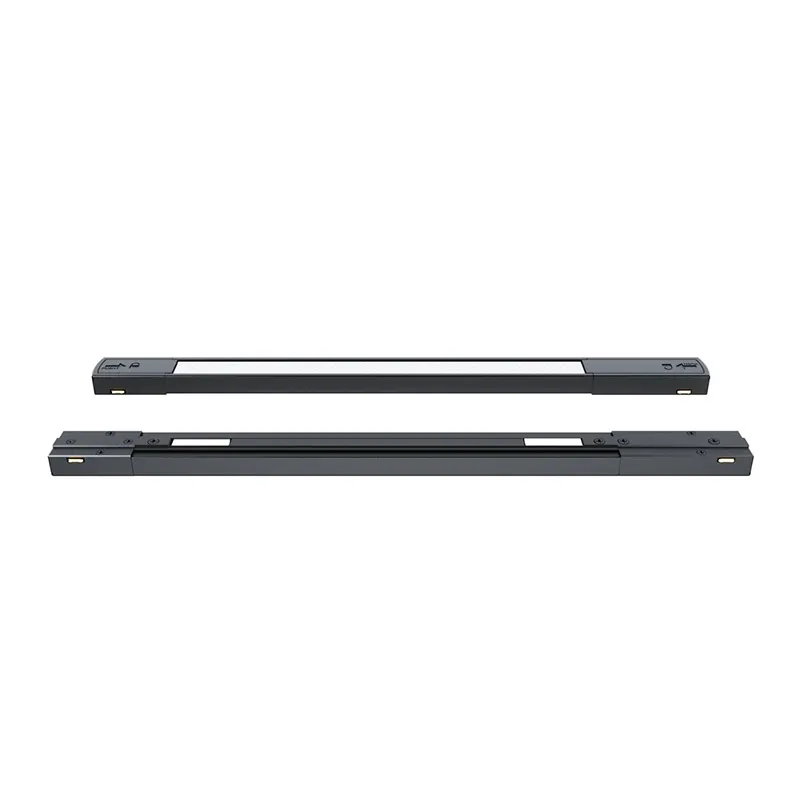
The Role of Slim Structures in Contemporary Interiors
Reducing Visual Interference
Ceiling design has become an important consideration in minimalist architecture. Large or visually complicated lighting structures can interrupt the continuity of a ceiling and compete with furniture, decorative elements, or architectural features. A slimmer lighting structure can reduce this visual interference and allow the overall interior concept to remain coherent.
An ultra-thin magnetic track solution is particularly suitable for projects where designers want lighting hardware to integrate naturally with the ceiling. Its streamlined appearance can support a more refined visual effect without making the lighting system the dominant element of the room.
This design approach is useful in spaces where simplicity is an important part of the aesthetic direction. Residential interiors, boutique commercial environments, galleries, hospitality spaces, and modern offices can all benefit from lighting systems that provide illumination without creating unnecessary visual complexity.
Creating a Cleaner Ceiling Concept
A well-planned ceiling should support the overall spatial experience rather than distract from it. Magnetic track lighting can contribute to this goal by organizing multiple lighting functions within a coordinated system. Instead of installing separate fixtures for every lighting requirement, designers can develop a more unified lighting arrangement.
The result is a cleaner relationship between the ceiling, lighting fixtures, and surrounding architectural elements. This is particularly valuable for minimalist interiors, where every visible component can influence the perception of space.
Flexible Installation for Changing Lighting Requirements
One of the most important developments in modern lighting is the demand for adaptability. Interior spaces are rarely static. Furniture may be rearranged, product displays may change, work areas may be reconfigured, and decorative elements may be replaced. A lighting system that cannot respond to these changes can become a limitation over time.
Magnetic systems offer a more flexible approach. Lighting fixtures can be positioned along the track according to the intended illumination area, making it easier to adjust the lighting composition as the space evolves. This characteristic is especially useful for environments where layouts and display requirements change regularly.
Supporting Different Lighting Functions
A single space may require several types of illumination. General lighting can provide overall visibility, while directional fixtures can emphasize artwork, furniture, architectural details, or merchandise. Decorative fixtures can also contribute to the atmosphere and visual identity of an interior.
A flexible track system can accommodate these different requirements within one coordinated installation. Designers can select suitable fixtures for individual areas and arrange them according to the desired lighting effect. This creates greater freedom during the design process without requiring the ceiling to be filled with independent lighting structures.
Making Future Adjustments Easier
Adaptability is also valuable after installation. When a room is redesigned, lighting requirements may change with it. A flexible system can make adjustments more practical because the lighting arrangement does not necessarily have to remain fixed.
This feature is useful in retail environments, where displays and merchandising layouts frequently change. It can also benefit residential projects because occupants may want to modify the atmosphere of different rooms over time. The ability to make lighting adjustments helps extend the practical value of the installation.
LED Lighting and the Development of Efficient Illumination
LED technology has become an important part of contemporary lighting development. Compared with many traditional light sources, LED lighting offers designers greater flexibility in fixture design and application. Compact LED modules can be incorporated into modern lighting products while supporting different illumination requirements.
For magnetic track systems, LED light sources can support both functional and decorative applications. Directional lighting can be used to emphasize specific objects, while softer illumination can help create a comfortable atmosphere. The combination of LED technology and flexible track structures therefore provides a practical foundation for layered lighting design.
Lighting quality also matters. Good lighting should not simply make an environment brighter. It should work with the colors, textures, furniture, and architectural materials within the space. Designers therefore need to consider light distribution, visual comfort, fixture positioning, and the intended atmosphere when selecting a lighting system.
Smart Control Is Expanding Lighting Possibilities
The development of intelligent control technology is creating another important direction for the lighting industry. Modern lighting systems are increasingly connected with digital control platforms, allowing users to manage lighting conditions in a more convenient way.
Smart control can help different lighting scenes serve different activities. A residential environment may require softer illumination for relaxation and stronger task lighting for specific activities. A commercial environment may need different settings for normal operation, product presentation, or special events.
Integrating flexible hardware with intelligent control creates a more responsive lighting environment. Instead of treating every fixture as an isolated product, designers can consider the lighting system as a coordinated part of the overall space.
Compatibility With Different Control Solutions
Lighting manufacturers are increasingly developing products that can work with a range of control methods. Different projects may have different requirements depending on the building system, application environment, and preferred user experience.
| Lighting Requirement | Suitable Approach |
|---|---|
| Flexible illumination | Adjustable fixture positioning within the track system |
| Atmosphere creation | Layered lighting using different fixture types |
| Convenient operation | Integration with compatible smart control solutions |
| Minimalist interiors | Streamlined track structures and coordinated fixture layouts |
| Changing space layouts | Lighting arrangements that can be repositioned when required |
Solutions compatible with platforms and control technologies such as Tmall, Tuya, Xiaomi, DALI, and other systems can provide additional options for modern lighting projects. The specific configuration should be selected according to the control environment and application requirements.
Applications Across Modern Interior Spaces
Residential Lighting
Residential lighting is becoming increasingly focused on comfort and visual atmosphere. Rather than using a single dominant ceiling fixture, designers can combine multiple lighting sources to create different layers within living spaces.
Flexible magnetic lighting can be applied in living rooms, bedrooms, dining areas, corridors, kitchens, and study spaces. Fixtures can be positioned to illuminate furniture, artwork, decorative objects, or functional areas. This makes it easier to create a balanced relationship between direct and indirect illumination.
The clean appearance of a slim track structure can also complement modern interior styles. Minimalist, contemporary, and understated luxury concepts can benefit from lighting hardware that integrates naturally with the surrounding architecture.
Retail and Commercial Environments
Commercial lighting has different priorities from residential lighting. Retail environments need illumination that can attract attention to merchandise and support the visual identity of the store. Lighting positions may also need to change when product displays or interior layouts are updated.
A magnetic system can provide greater flexibility for these environments. Directional fixtures can be arranged toward shelves, displays, counters, or feature areas. When the layout changes, the lighting arrangement can also be adjusted to suit the new presentation.
This adaptability can help create a more consistent visual experience while giving designers greater freedom to respond to commercial requirements.
Hospitality and Decorative Spaces
Hotels, restaurants, cafés, clubs, and other hospitality environments rely heavily on atmosphere. Lighting affects how materials, furniture, decorations, and architectural surfaces are perceived. A carefully designed lighting system can therefore become an important part of the overall guest experience.
Flexible track lighting can support accent illumination and decorative applications while maintaining a coordinated ceiling concept. It can also be combined with other light sources to create different visual layers throughout a hospitality environment.
What Should Be Considered When Selecting a Track System?
Choosing a suitable lighting system requires more than looking at appearance alone. The installation environment, intended lighting effect, fixture compatibility, control requirements, and overall interior concept should all be considered during the design process.
Track and Fixture Compatibility
The relationship between the track and lighting fixtures is fundamental to system performance. Fixtures should be compatible with the track structure and electrical configuration. A coordinated system can simplify installation planning and help maintain a consistent appearance across different areas.
Installation and Maintenance
Convenient installation and maintenance are important considerations for both residential and commercial applications. A practical system should allow lighting components to be installed and adjusted efficiently while making routine replacement or maintenance more manageable.
Designers should also consider the accessibility of the installation area. Ceiling height, surrounding structures, wiring arrangements, and future maintenance requirements can all affect the suitability of a lighting solution.
Lighting Effect and Spatial Requirements
The intended lighting effect should always guide product selection. A fixture designed for accent lighting may not be suitable for general illumination, while a broad light source may not provide the precise emphasis required for artwork or merchandise.
Understanding the function of each area allows the lighting system to be configured more effectively. The best results usually come from combining different lighting functions rather than relying on a single fixture type throughout an entire project.
Industry Trends Toward Integrated Lighting Design
The lighting industry is increasingly moving toward products that combine functionality, flexibility, aesthetics, and intelligent control. This trend reflects broader changes in interior design, where lighting is expected to work as part of the architectural environment rather than operate as an independent decorative object.
Compact lighting structures are particularly relevant to this development. As modern interiors become more refined, designers need lighting products that can deliver practical illumination without compromising the visual integrity of the space.
The future of magnetic lighting will likely involve further integration between track systems, LED technology, intelligent controls, and interior design. Manufacturers that continue to improve both hardware and control solutions will be better positioned to respond to changing application requirements.
Another important direction is product diversification. Different spaces require different lighting characteristics, so manufacturers need to develop a broader range of fixtures and configurations. This allows lighting systems to serve residential, commercial, decorative, and professional applications with greater flexibility.
JiuRong Lighting Technology's Approach to Product Development
JiuRong Lighting Technology Co., Ltd. has focused on lighting research, development, manufacturing, sales, and application for many years. The company has developed specialized experience in magnetic track lighting and continues to improve its product technologies according to changing market requirements.
Its product development approach covers both hardware and smart lighting applications. In addition to magnetic track solutions, the company has developed different lighting products, including cloth conductive lamps and jewelry lamps. This product diversity allows JiuRong Lighting to address a wider range of interior and commercial lighting scenarios.
Quality management is also an important part of the company's manufacturing approach. Its lighting products have obtained CE, CCC, and RoHS certifications, providing a foundation for applications in different markets. The company also has professional technicians and established production capabilities to support ongoing product development and manufacturing.
JiuRong Lighting Technology continues to follow the principles of customer focus, technological development, teamwork, and practical innovation. By combining magnetic lighting expertise with smart lighting solutions and continued product development, the company is working to provide modern lighting products for domestic and international markets.
As minimalist interiors and flexible illumination continue to influence the lighting industry, products such as Ultra-thin Magnetic Track can offer designers another practical option for creating clean, adaptable, and visually integrated spaces. With its experience in magnetic lighting research and its commitment to product development, JiuRong Lighting Technology is positioned to continue contributing to the evolution of contemporary lighting solutions.